

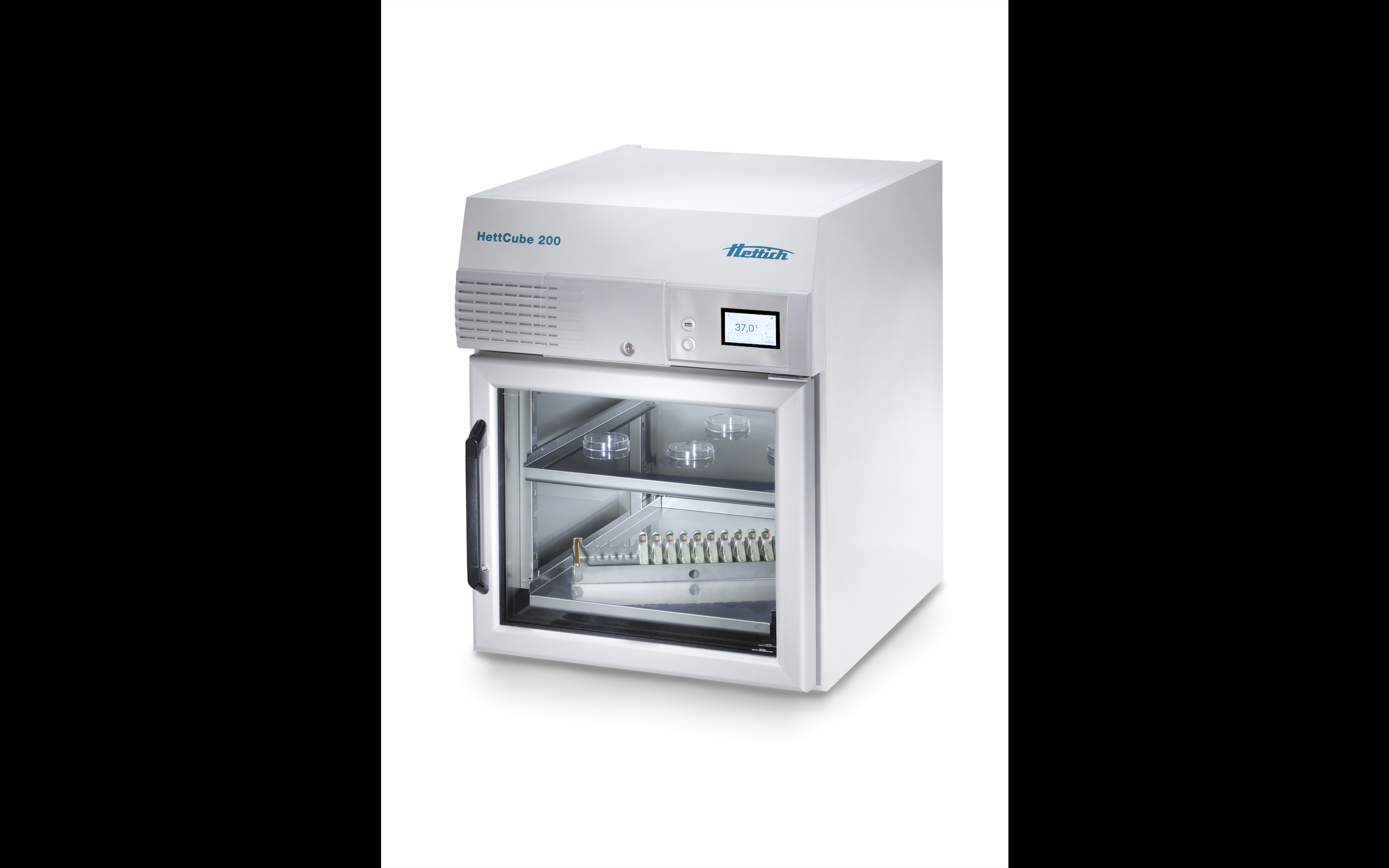
Scientists use laboratory incubators to grow, store, and maintain cell cultures. Laboratory incubators are also used by scientists to manage humidity, carbon dioxide, temperature, and oxygen content inside the equipment. This is done to create an environment that is stable enough for survival.
Laboratory incubators have a vast range of applications. They are typically used in laboratories that are dedicated to pharmaceuticals, microbiology, and industries such as food and beverage, agriculture, and cosmetics.
Other specific applications of laboratory incubators include egg incubation, coliform determination, pharmaceutical testing, heated storage, and food and beverage testing. Most laboratory incubators also come with adjustable heaters.
Nowadays, there are different types of laboratory incubators. Some of the most common types of laboratory incubators are:
Low Temperature Incubators
Low temperature incubators are designed to provide temperature control for accurate results in food, cosmetics, pharmacology, and microbiology research. If the research requires the temperature to be at or below 30°C, the best incubators to use are low temperature ones.
Hettich, one of the leading manufacturers of laboratory incubators, has two high-quality products in their roster of innovations—the Cooled Incubators and the HettCube Incubators. HettCube combines the advantages of forced and natural convections so microorganisms and cultures can thrive and survive.
HettCube Incubators also use less electricity. This translates to lesser costs and bigger savings. With over a 100 years of product knowledge, laboratories around the world trust Hettich when it comes to dependable products like HettCube Incubators.
CO2 Incubators
CO2 incubators are climate-controlled boxes that are sealed and used in science laboratories. They are designed to create an optimal environment for biological cell cultures. Life science laboratories need to maintain the same conditions inside the human body, and a CO2 incubator is considered a stable in most science laboratories.
Microbiological Incubators
Microbiological incubators are also known as “standard” or “heat only” incubators. They come with heating elements that are designed to provide incubation temperatures that are above ambient only. A microbiological incubator is also the recommended choice if the research will require the temperature to be at 30°C or above.
