Traditional Chinese Medicine (TCM) has been practised for centuries and remains relevant today due to its holistic approach to health. Visiting a traditional Chinese medicine clinic offers various natural and minimally invasive treatments for chronic ailments, preventive care, and general wellness. Understanding the available options can help you make informed choices, especially when guided by a qualified TCM physician.
Acupuncture: A Staple in TCM Treatment
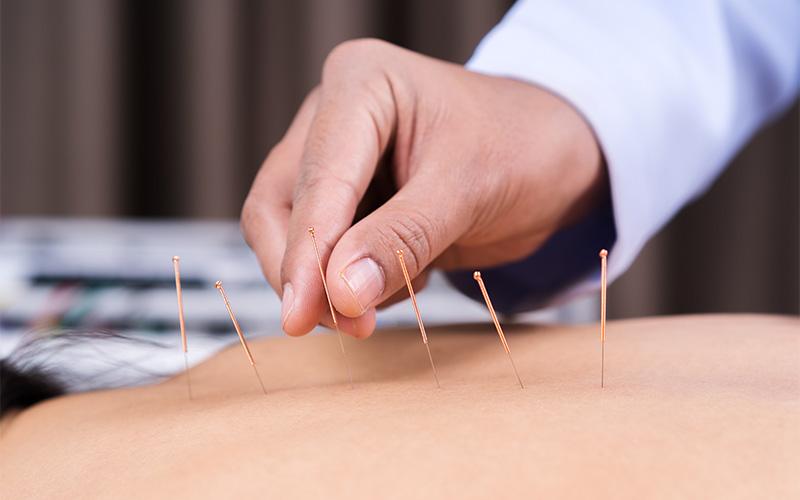
Acupuncture is one of the most recognised TCM treatments. It involves inserting thin needles into specific points on the body to regulate the flow of qi (energy) and blood. Acupuncture is commonly used to manage pain, stress, sleep issues, and digestive disorders. Many patients seek acupuncture as a complementary therapy to modern medicine.
A TCM physician evaluates your overall health and identifies which meridian points require stimulation. The process is typically painless, and sessions can be customised for chronic conditions or preventive care. Some clinics may also use electroacupuncture, which applies mild electrical currents to enhance stimulation and improve treatment outcomes.
Herbal Medicine: Personalised Natural Remedies
Herbal medicine plays a central role in TCM. A traditional Chinese medicine clinic will often prescribe customised herbal formulas from plant, mineral, or animal sources. These remedies aim to restore internal balance and support organ function based on individual diagnosis.
TCM physicians assess your body constitution, lifestyle, and symptoms before recommending any herbal solution. Treatments can address various issues, including hormonal imbalance, skin conditions, fatigue, and respiratory problems. Herbal prescriptions may come in teas, powders, capsules, or granules, depending on convenience and effectiveness.
Tui Na: Therapeutic Chinese Massage
Tui Na is a form of therapeutic massage rooted in TCM principles. Unlike regular massage, Tui Na targets the body’s meridian pathways and acupoints to promote circulation and relieve musculoskeletal problems. It is suitable for people experiencing chronic back pain, neck stiffness, or joint tension.
A qualified TCM physician performs this technique using rhythmic compression, rolling, and stretching. Tui Na may be integrated with other therapies, such as cupping or acupuncture. While the procedure can be intense, many patients report significant relief after a few sessions, especially for stress and physical strain conditions.
LEARN MORE: The Role of Tui Na: Therapeutic Massage Techniques in TCM
Cupping and Moxibustion: Heat and Suction Therapies
Cupping uses suction created by glass or silicone cups placed on the skin. It helps draw blood to the surface, reduce inflammation, and relieve muscle tension. Many clients visit a traditional Chinese medicine clinic for cupping to manage conditions like sports injuries or chronic fatigue.
Moxibustion, another heat-based therapy, involves burning dried mugwort (moxa) near the skin or on acupuncture needles. It helps warm the meridians and dispel cold, particularly in digestive issues or menstrual irregularities. Both treatments require the skills of an experienced TCM physician to ensure safe application and avoid unwanted side effects.
Gua Sha and Dietary Therapy
Gua Sha involves scraping the skin with a smooth-edged instrument to stimulate blood flow and reduce stagnation. It is commonly used for pain relief and to manage colds or fevers. Redness and marks are normal and usually fade within a few days. This method is safe when performed by trained professionals.
Dietary therapy is also integral to TCM. TCM physicians may offer food recommendations based on your body type and current health condition. Adjustments may include eating warming or cooling foods, avoiding damp-forming items, or increasing specific nutrients. This treatment complements other TCM practices and helps sustain long-term wellness.
Conclusion
A visit to a traditional Chinese medicine clinic offers more than symptom management—it focuses on restoring balance and preventing future illness. Whether you are new to TCM or looking to supplement your existing treatments, options like acupuncture, herbal medicine, cupping, and massage offer natural, targeted care under the guidance of a skilled TCM physician.
Curious about holistic healing through Traditional Chinese Medicine? Book a consultation with NovaHealth TCM Clinic today to experience the benefits of expert TCM care.