
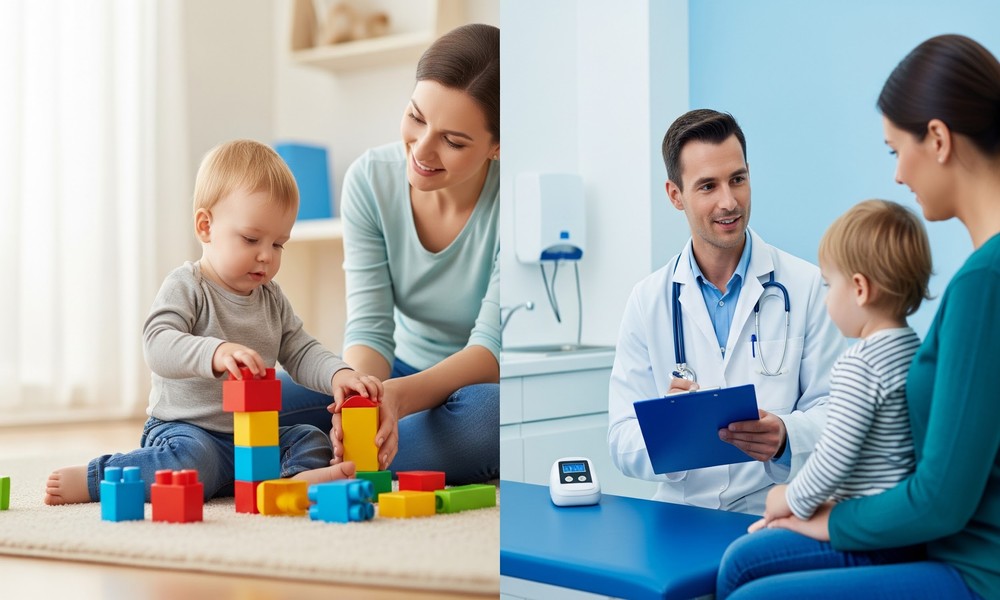
Early childhood is a time of rapid growth, exploration, and learning. During these formative years, small developmental challenges can have a ripple effect on communication, learning, and social-emotional growth. While many children thrive naturally, early detection of potential issues-through hearing, airway, and behavioral screenings-can help families and healthcare providers intervene before challenges compound. Proactive screening supports healthier developmental trajectories and gives children the tools they need to reach their full potential.
Screening is not just about identifying problems; it’s about equipping families with knowledge, providing access to targeted interventions, and coordinating care across specialties. By understanding the importance of early evaluation and integrating follow-up support, parents and clinicians can collaborate to optimize childhood outcomes.
Hearing as a Foundation for Learning
Hearing is fundamental to speech, language development, and overall communication. Even mild hearing deficits can affect attention, vocabulary acquisition, and classroom engagement. Children who struggle to hear may appear distracted or frustrated, and subtle delays can be overlooked until they impact academic performance.
Pediatric audiology services, such as those offered by Apex Audiology, provide comprehensive hearing testing to identify issues early. Evaluations may include otoacoustic emissions (OAE) testing, tympanometry, and age-appropriate behavioral assessments. Early detection of hearing loss allows families to explore interventions like hearing aids, speech therapy, or classroom accommodations, significantly improving communication skills and confidence.
Routine hearing checks, especially in infancy and early childhood, establish a baseline for ongoing monitoring. Early identification and management ensure that children can fully engage with their environment, peers, and educational experiences.
Airway Health and Its Impact on Growth
The airway plays a critical role in sleep, respiration, and overall development. Chronic nasal obstruction, enlarged tonsils or adenoids, or undiagnosed sleep-disordered breathing can lead to fatigue, irritability, and poor concentration in children. Over time, these conditions may also affect growth, cardiovascular health, and cognitive development.
Experienced ENT specialists, including North Dallas ENT, evaluate children for structural or functional airway concerns. Procedures may involve diagnostic imaging, endoscopic evaluation, or referral for sleep studies. Early intervention can prevent complications and improve the quality of life, allowing children to breathe, sleep, and grow optimally.
Parents are often the first to notice subtle signs-snoring, mouth breathing, frequent colds, or restless sleep-but professional screening ensures accurate diagnosis and timely management.
Behavioral and Developmental Screening
Beyond physical health, behavioral and developmental milestones provide critical insight into a child’s well-being. Screening tools assess motor skills, social engagement, emotional regulation, and cognitive abilities. Detecting deviations from typical developmental patterns allows early interventions such as therapy, individualized education programs, or parent coaching.
Centers like Level One Urgent Care incorporate pediatric care and developmental screening into routine visits, ensuring that concerns are evaluated promptly. Early identification of learning or behavioral challenges increases the likelihood of effective support and long-term success.
By combining observational assessments with standardized screening, clinicians can identify issues that may otherwise be overlooked, creating an actionable plan for intervention.
Integrating Hearing and Behavioral Support
Hearing and behavioral development are deeply interconnected. Children with undetected hearing loss may exhibit behavioral challenges due to frustration, miscommunication, or fatigue. Early screening allows families and providers to distinguish between sensory deficits and behavioral concerns, ensuring that interventions address the underlying cause rather than just the symptoms.
Audiology follow-up and behavioral therapy work best when integrated. Families receive guidance on how to support communication at home while professionals monitor developmental progress. Early and coordinated care reduces stress for both children and caregivers and promotes more positive learning experiences.
The Role of Technology in Monitoring
Advances in pediatric hearing technology have improved early detection and ongoing management. Digital hearing aids, remote monitoring, and software-assisted audiometry provide accurate assessments even in very young children. Continuous monitoring ensures that interventions remain effective as the child grows and developmental demands change.
Organizations like Infinity Hearing focus on hearing aid technology and follow-up monitoring, enabling children to access real-time adjustments and tailored support. Technology allows children to participate fully in classroom and social activities, reducing frustration and improving confidence.
Preventive Screening as a Routine Practice
Incorporating screenings into routine pediatric care ensures that potential challenges are identified before they escalate. Preventive screening is not limited to infancy; periodic assessments during preschool and early school years provide ongoing insight into growth, hearing, and developmental progress.
Regular check-ups at pediatric care centers like Level One Urgent Care emphasize prevention, combining physical exams with targeted hearing and behavioral evaluations. Early detection reduces emergency interventions and supports timely therapeutic or educational measures, allowing children to thrive.
Coordinated Care Across Specialties
Optimal outcomes require communication and collaboration between specialists, primary care providers, and families. Pediatricians, audiologists, ENT doctors, and developmental therapists work together to interpret screening results, coordinate interventions, and track progress over time. This multi-disciplinary approach ensures that children receive holistic support tailored to their needs.
Collaboration also extends to caregivers, who play a vital role in observing changes, reinforcing strategies at home, and advocating for their child. Coordinated care reduces gaps, prevents overlapping services, and promotes consistent messaging between professionals and families.
Supporting Families Through the Process
Screenings and early interventions can be stressful for families, particularly when multiple specialists are involved. Providers who offer clear guidance, empathetic communication, and actionable next steps help reduce anxiety and empower caregivers to take proactive roles in their child’s development.
Early education on typical milestones, potential concerns, and available interventions equips families with tools to support their child confidently. Guidance may include at-home exercises, auditory reinforcement, or behavioral coaching, all of which complement professional care.
Conclusion
Early detection and screening play a pivotal role in shaping childhood outcomes. By evaluating hearing, airway, and behavioral development, families and providers can identify issues before they affect learning, socialization, or health. Coordinated care ensures that interventions are timely, integrated, and supportive, reducing the risk of complications and improving quality of life for children.
Preventive assessments are not just about addressing deficits-they are about creating an environment where children can thrive, grow, and develop with confidence. Through collaboration, education, and ongoing monitoring, families can navigate early childhood with the reassurance that potential challenges are being managed proactively.