
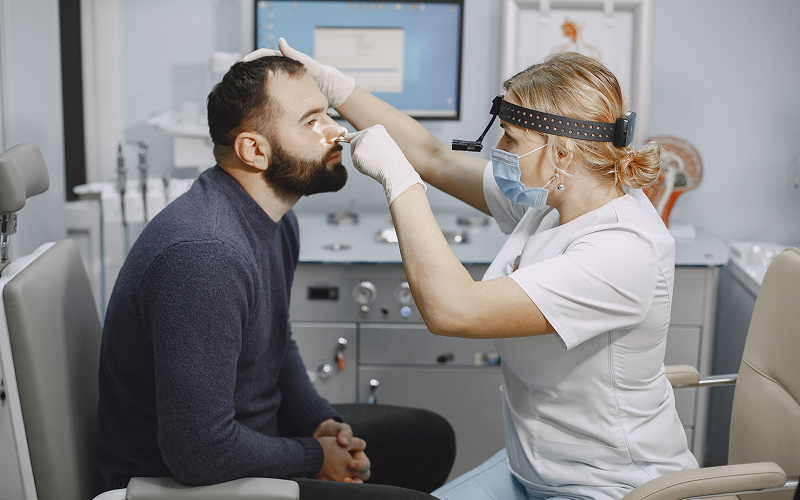
Nose allergies can feel relentless. They interfere with sleep, disrupt concentration, and make daily tasks feel unnecessarily difficult. It’s not always about the sneezing, it’s the congestion, the itchy eyes, and the constant need to reach for a tissue. While over-the-counter relief might dull the symptoms, the underlying problem usually lingers. If this sounds all too familiar, it’s time to move past temporary fixes. Here’s how to approach a nose allergy strategically and when seeking a specialist makes sense.
1. Identify the Real Triggers, Not Just the Obvious Ones
Many assume their nose allergy stems from pollen or dust and stop there. But triggers can be far more layered: mould, pet dander, mites in bedding, or even changes in temperature. A misdiagnosis (or worse, self-diagnosis) often leads to ineffective treatment. A specialist can help carry out a proper allergy test and pinpoint the actual cause, so you’re not wasting time managing symptoms triggered by something you’ve overlooked entirely.
2. Stop Relying on Antihistamines Alone
Antihistamines serve a purpose, but they’re not a comprehensive solution. Many people find themselves increasing the dosage or switching brands without meaningful improvement. That’s usually a sign the allergy has progressed beyond surface-level symptoms. If your nasal passages are persistently inflamed or blocked, antihistamines might no longer cut it. A nose allergy specialist will assess whether corticosteroid sprays, immunotherapy, or another targeted treatment is more appropriate for your condition.
3. Understand the Role of Your Environment
Modern homes aren’t always allergy-friendly. Central heating, poor ventilation, or even certain cleaning products can worsen nasal inflammation. Regular exposure to these environmental triggers can lead to chronic symptoms, even if you’re careful. It’s not always enough to open windows or hoover more frequently. An expert can guide you through necessary changes, from air purifiers to hypoallergenic bedding so that your recovery isn’t constantly being undone by your surroundings.
4. Don’t Ignore Chronic Congestion
Nasal congestion that lasts more than a few weeks isn’t just annoying, it might signal a more serious underlying condition, such as chronic rhinitis or sinusitis. These issues can significantly affect your breathing and sleep, especially if left unaddressed. A nose allergy specialist doesn’t just look at temporary flare-ups; they evaluate the structure of your sinuses, nasal polyps, and long-term inflammation that may be contributing to your discomfort.
ALSO READ: Do You Need to See a Sinus Specialist? Signs to Watch For
5. Track Patterns Instead of Guessing
Allergy symptoms tend to follow patterns like seasonal spikes, indoor flare-ups, or reactions tied to certain locations. Keeping a simple diary can highlight recurring issues you hadn’t noticed before. A specialist will use this information to build a tailored plan that considers your specific exposure risks. You’ll waste less energy trialling remedies that aren’t aligned with your actual condition.
6. Consider Immunotherapy if Symptoms Persist
For some, nose allergy symptoms continue regardless of what sprays or tablets they use. In these cases, immunotherapy, either through injections or sublingual tablets might offer more lasting relief. It works by gradually training the immune system to respond less aggressively to allergens. This kind of therapy must be overseen by a trained specialist, who can monitor progress and adjust dosage as needed. It’s not a quick fix, but for persistent cases, it can be a game-changer.
7. Know When to Escalate Your Care
If you’ve tried the standard methods like saline rinses, antihistamines, and lifestyle adjustments and still can’t get a handle on your nose allergy, it’s time to escalate. A general practitioner may offer basic care, but a nose allergy specialist provides targeted insight into the mechanics of your nasal system. That expertise often makes the difference between ongoing frustration and genuine relief.
8. Don’t Underestimate the Link Between Sleep and Allergy
Many people with untreated nose allergies suffer from fragmented sleep, snoring, or even mild sleep apnoea. Night-time symptoms like postnasal drip and congestion can affect the quality of your rest far more than you realise. Poor sleep then contributes to fatigue, headaches, and reduced immunity. A specialist will assess whether nasal blockage is affecting your airflow during rest and may recommend a treatment plan that improves sleep as well as day-time function.
9. Monitor Children’s Symptoms Early
In children, nose allergies can lead to behavioural changes, poor performance at school, or persistent infections. Many parents mistake these signs for other issues, delaying proper treatment. Early intervention by an ENT or nose allergy specialist can prevent long-term complications. Paediatric assessments are gentle and precise, helping to establish a plan that works for both the child and the household routine.
10. Don’t Wait Until It’s Unbearable
Nose allergies tend to escalate when ignored. What begins as mild irritation can snowball into chronic inflammation or secondary infections. Rather than waiting until the next flare-up makes things unbearable, address the problem proactively. Specialists offer structured treatment plans based on a thorough understanding of nasal function, allergen exposure, and individual health history.
If you’re struggling to get lasting relief from your nose allergy, it’s time to speak to someone who sees these cases daily. Book a consultation with Dr Leslie Koh for a tailored evaluation and treatment strategy grounded in clinical expertise.