Slouching may seem harmless at first, but over time it stresses the spine, weakens supporting muscles, and leads to discomfort. Many people only become aware of the problem once pain sets in or daily tasks start to feel physically taxing. Physiotherapists in Singapore are trained to detect poor postural habits during movement assessments. These subtle cues, such as rounded shoulders or forward head posture, allow therapists to create strategies that address the root cause of slouching before it becomes a more serious concern.
Strengthening the Spine Through Focused Exercises
Posture correction in Singapore typically starts by strengthening the muscles that support spinal alignment. These include the deep core, back extensors, and shoulder stabilisers. Physiotherapists prescribe specific exercises that build control in these areas, allowing the spine to hold its natural curves without extra strain. Activities such as resisted rowing, pelvic tilts, or isometric holds are adjusted to fit the patient’s level. Over time, these exercises restore muscle memory and reduce the effort required to maintain upright posture.
Training Body Awareness for Everyday Movements
Physical therapy doesn’t stop at exercise. One of the key strategies used by physiotherapists in Singapore is teaching body awareness. Slouching typically happens during unconscious moments—working at a desk, scrolling on a phone, or relaxing on the sofa. Physiotherapists coach patients on how to recognise and correct these habits by tuning into the body’s alignment. This may involve mirror feedback, tactile cues, or verbal reminders to reinforce good posture. As patients become more aware of how they sit, stand, and move, posture improves naturally throughout the day.
Releasing Tight Muscles That Pull the Body Forward
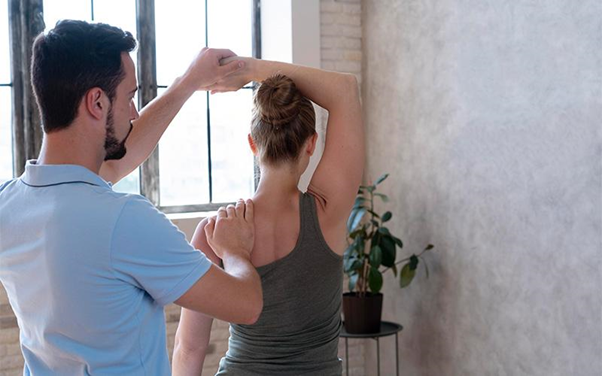
Slouching is often caused by muscle imbalances. Tight chest muscles and shortened hip flexors tend to pull the body forward, while weakened back muscles fail to resist the pull. Physiotherapists address this by introducing stretches and mobility work into the correction plan. Stretching the chest, neck, and hips reduces resistance to alignment and allows for freer movement. Mobilising the thoracic spine and shoulders further supports a more upright position, making it easier for patients to hold proper posture without discomfort.
Restructuring the Workstation to Support Better Posture
Ergonomic changes at work or home play a crucial role in posture correction. Many physiotherapists in Singapore provide advice on how to set up a supportive environment. These recommendations include adjusting chair height, using lumbar support, repositioning screens to eye level, and encouraging regular movement breaks. The goal is to create a setting where the body can remain aligned without constant effort. A better workstation reduces the temptation to slouch and reinforces healthy posture throughout the day.
Managing Pain Linked to Postural Strain
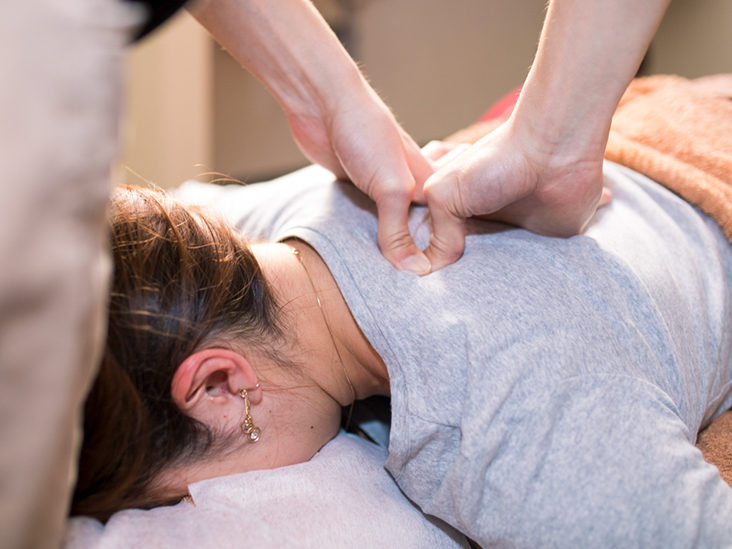
Slouching can lead to various forms of discomfort, including lower back pain, neck tension, and headaches. Physiotherapists treat these issues using a combination of manual therapy, movement correction, and education. Manual techniques relieve tight muscles and joint restrictions, allowing smoother, pain-free movement. Guided exercises then help to restore strength and flexibility. This process not only reduces pain but also addresses the mechanical stress that caused it. Patients report improved comfort and functionality once slouch-related strain is addressed properly.
Learn More: Healing Piriformis Syndrome with Targeted Physiotherapy Exercises
Reinforcing Long-Term Habits With Regular Follow-Up
Physiotherapists in Singapore provide structured sessions that include reviews, progress assessments, and adaptations to keep patients on track. This ongoing support helps ensure that gains in posture are maintained and integrated into everyday life. Whether through periodic check-ins or continued training, long-term posture correction remains achievable with professional guidance.
Reducing the Risk of Further Injury
Slouching affects more than appearance. Physiotherapists work to prevent these outcomes by helping individuals move better, strengthen weak links, and restore balance across muscle groups. Posture correction in Singapore clinics isn’t just about standing straighter—it’s about preserving function, reducing long-term stress on the body, and preventing avoidable injuries in the future.
For more information about physiotherapy in Singapore, contact The Movement Laboratory today.