

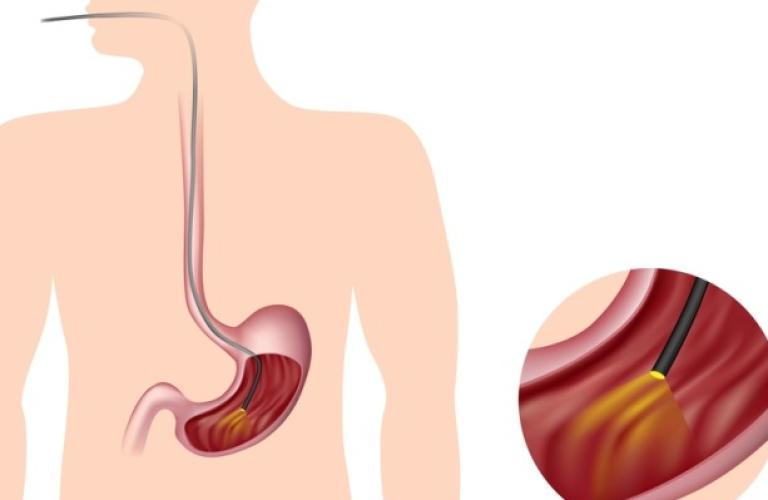
With the treatment referred to as gastrointestinal endoscopy, a doctor is able to see within the cellular lining of your digestive system. This examination is carried out by an endoscope device, with a tube made up of flexible fiber-optic with medical camera heads at the end. The electronic camera is linked to an eyepiece for viewing or a video display that displays the pictures on a television. The endoscope not only enables medical diagnosis of gastrointestinal illness, yet therapy too.
Current endoscopes are stemmed through a primitive system in 1806 was with a small tube, a mirror as well as a wax candle. Though crude, the early instrument let the first view in a living body.
The GI endoscopy treatment might be carried out in either an outpatient or inpatient setup. Through the endoscope, a physician can examine a number of problems, such as muscle spasms or abscess. These issues are not seen on various other imaging tests.
Endoscopy has many names, depending on the portion of the gastrointestinal tract your medical professional seeks to check.
- Upper GI endoscopy: This procedure makes it possible for the examination of the esophagus, stomach, as well as the upper small digestive tract, called the duodenum.
- Colonoscopy: This treatment makes it possible for the medical professional to see abscess, the inflamed mucous cellular lining of the intestine, abnormal growths, as well as hemorrhaging inside your large bowel or colon.
- Endoscopy:It is relatively a new diagnostic device that enables a physician to check your small bowel. The process might be made use of in the complying with methods:
- To diagnose as well as deal with concealed GI blood loss
- To spot the reason for malabsorption
- To validate the problems of the tiny bowel seen on an X-ray
- Throughout surgery, to situate as well as eliminate sores with little damage to health as well as balanced cells
Doctors do have various other analysis examinations besides GI endoscopy, including echography, to examine the upper abdominal area as well as a barium injection and other X-ray exams that layout the gastrointestinal tract. Doctors can study the stools, stomach juices, as well as blood to learn more about GI functions. Yet none of these tests supplies a direct sight of the mucous cellular lining of the digestive system tract.
