

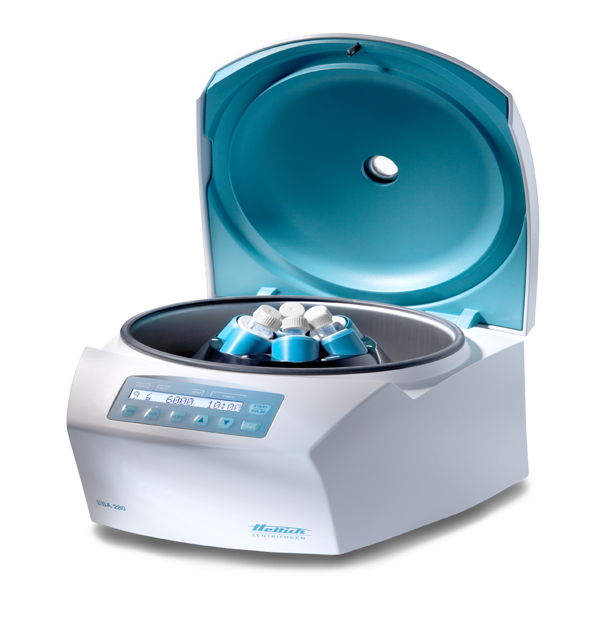
A blood tube sealer is an important piece of laboratory equipment for medical and research professionals who need to quickly and safely seal blood tubes.
Sealing the tubes is essential in order to ensure that the samples remain viable and uncontaminated. In this guide, we will take you step-by-step through the process of using a blood tube sealer to get the best results every time.
Step 1: Gather Your Supplies
Before you begin, make sure you have all of the supplies that you need. This includes a blood tube sealer, sterile plastic seals, and the appropriate sized tubes for your samples.
If you are working with multiple types of samples, make sure that each type has its own separate tubes and seals to prevent cross-contamination. It’s also important to have some non-sterile gloves on hand for handling the samples.
Most sealers are designed to work with specific sizes of tubes, so it’s important that you check the specifications of your sealer before selecting tubes. Make sure that you also check the inner diameter of the tube against the width of your sealing head to ensure compatibility.
Step 2: Place Samples in Tubes
Once you have gathered your supplies, it’s time to place your samples in their respective tubes. Make sure that each sample is clearly labeled with its source material so that it can be identified easily later on. Once all of the samples are in their tubes, place them securely into the blood tube sealer.
Depending on what kind of machine you have, this process may vary slightly. However, most machines will require you to either load individual tubes or multiple tubes at once. Be sure to pay attention as you load your tubes to ensure that they are properly aligned with each other and with the centerline of the machine.
Step 3: Activate Sealing Cycle
Now it’s time to activate the sealing cycle on your blood tube sealer. Depending on which model you are using, this may require pressing a button or flipping a switch—check your user manual for more details if necessary.
The sealing cycle will usually take anywhere from 20 seconds up to one minute depending on how many tubes you are sealing at once. Be sure not to overfill any of your tubes as this can cause them to leak during the sealing process and lead to inaccurate results down the line.
Step 4: Remove Your Sealed Tubes from The Machine & Dispose Properly
When finished sealing all of your tubes, carefully remove them from the machine while taking proper precautions not to contaminate yourself or others with any potential residue or spills. Finally, dispose of your sealed tubes according to applicable regulations and guidelines.
Conclusion
Using a blood tube sealer correctly is essential in order to ensure accurate results from laboratory tests involving blood samples or other biological materials. Through following this step-by-step guide, medical professionals and scientists alike will be able to quickly and safely use a blood tube sealer with optimal results every time they need it.
With proper maintenance and care, these machines can be reliable sources of safe sample preservation for years to come!
