

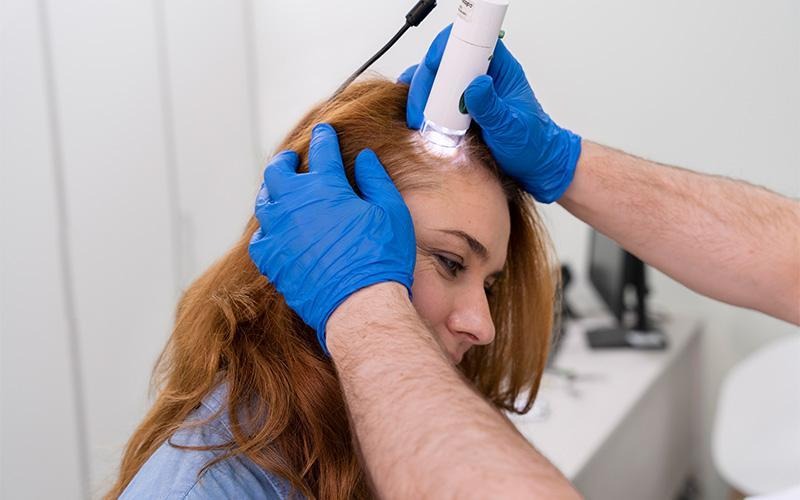
Hair that won’t behave no matter how many products you try? If this sounds like your daily struggle, you’re far from alone. While dry scalp is a common issue, many people still treat it like a surface-level nuisance rather than a deeper imbalance. A true dry scalp treatment goes beyond just moisturising. Let’s unpack the myths, ethics, and truths behind scalp therapy for dry scalp, and what you need to know before your next haircare purchase.
What Most People Miss About Scalp Treatments
If you’ve been jumping from shampoo to serum hoping for relief, you’re not alone. But here’s a secret few talk about: Think of your scalp like soil.
If the roots of a plant grow in dry, cracked earth, the plant suffers no matter how much you water the leaves. Similarly, your hair health is closely tied to the condition of your scalp.
Most dry scalp treatments focus only on immediate hydration. While this can help temporarily, it rarely addresses the root causes.
True scalp therapy for dry scalp works by improving scalp health over time. This can include detoxifying treatments that remove product build-up, stimulating blood flow, or using plant-based extracts known to restore oil balance naturally.
What’s Really in Your Scalp Products?
With the rise of clean beauty, many consumers are asking the right questions: what are we putting on our skin, and on our scalp? Some conventional dry scalp treatment products still contain synthetic fragrances, sulphates, or parabens.
These compounds may give the illusion of effectiveness but can strip the scalp of essential oils, worsening the dryness cycle. This has led to greater demand for scalp therapy options that are transparent about ingredients, cruelty-free, and sustainably sourced.
From an ethical standpoint, it’s important to consider the sourcing of key ingredients, especially when they include rare botanicals or essential oils. Ethical scalp care is about choosing options that align with long-term health, environmental consciousness, and fairness.
The Right Way to Treat a Dry Scalp
Ready to begin your scalp recovery journey? Here’s how to approach dry scalp treatment like a pro.
First, take stock of your current routine. Are you shampooing daily with strong cleansers? Are you overusing dry shampoo or styling sprays? These habits can disturb your scalp’s natural oil barrier.
The foundation of good scalp therapy for dry scalp is gentle cleansing followed by nourishing treatments. Look for scalp masks or serums with tea tree oil, ginseng, and aloe vera.
Consistency is key. Results aren’t instant, but with a proper weekly routine, improvements become noticeable within a month.
Lifestyle also plays a role. A dry scalp can be a symptom of dehydration, nutritional deficiencies, or stress. So hydration, diet, and relaxation techniques all play in this process.
It’s Not Always Dandruff
Many people mistake a dry scalp for dandruff and reach for anti-fungal shampoos that can make the problem worse. While both conditions involve flakes, their causes are different. Dandruff is often caused by an overgrowth of yeast on the scalp, while dryness stems from a lack of moisture and irritation.
Another myth? Oiling your hair fixes everything. While natural oils can be helpful, applying thick oils to an already congested scalp might do more harm than good. A targeted scalp therapy for a dry scalp routine should include cleansing and balancing steps, not just coating the scalp in oil and hoping for a miracle.
Ultimately, understanding the type of flaking you’re experiencing is vital to choosing the right treatment plan. If in doubt, consult a trichologist or scalp therapist to assess what your skin is trying to tell you.
Where to Start Without Overwhelm
If you’re new to dry scalp treatment, don’t overcomplicate things. Start with the basics: a scalp-friendly shampoo (sulphate-free), a weekly exfoliating scrub, and a moisturising scalp essence or tonic. Begin with this three-step routine and track changes weekly.
Look for signs like reduced itching, fewer visible flakes, and less sensitivity to styling products. From there, you can build into more intensive scalp therapy for dry scalp, including salon-based treatments or herbal scalp steaming sessions.
And yes, patience matters. Just like skincare, scalp recovery takes time. Avoid the urge to try ten new products at once. Instead, focus on creating a ritual that feels manageable and repeatable.
Healthier Hair Starts at the Root—Literally
When it comes to hair health, your scalp holds all the power. No matter how expensive your conditioner is, it means little if your scalp is inflamed, dehydrated, or overwhelmed by product build-up. Dry scalp treatment is necessary if you want stronger, healthier hair. You can turn your scalp into fertile ground for hair growth, comfort, and confidence. Because at the end of the day, a flake-free scalp is about wellbeing.
Get yours at Bee Choo today.
