

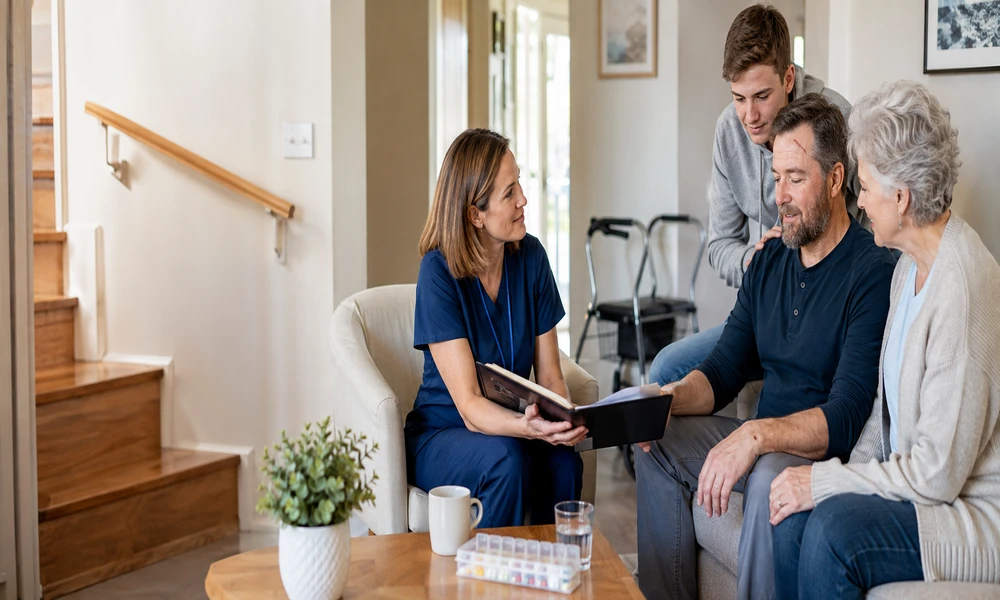
Moving home after a brain injury can represent an important step toward greater independence, but the address change is often the easiest part of the transition. The harder work involves making sure everyday life at home is realistic, safe, and supported.
Families may understandably focus first on medical appointments and immediate care needs. A successful transition, however, also depends on practical questions: Who will help with daily routines? Is the home environment suitable? What happens when a family caregiver is unavailable? Which community resources should already be in place?
Addressing these issues before the move can help create a more sustainable plan.
1. Understand What Daily Life Will Actually Require
Start by thinking beyond broad descriptions such as “needs help at home.”
Consider an ordinary day from morning to night. Which activities can the person complete independently? Where is assistance needed? Are there tasks that require reminders, supervision, physical help, transportation, or another form of support?
Looking at an entire day often reveals needs that are easy to miss when planning focuses primarily on medical care.
It is also helpful to distinguish between what the individual can currently manage and what they may be able to manage with the right support. Independence does not necessarily mean doing everything alone. In many cases, it means having appropriate assistance while maintaining as much choice and control as possible.
2. Review the Home Environment Before the Move
A familiar home is not automatically a suitable home.
Walk through the living space with daily routines in mind. Consider entrances, bathrooms, bedrooms, stairs, hallways, lighting, furniture placement, and frequently used household items.
Instead of asking only whether the person can physically enter the home, consider whether they can comfortably move through the spaces they will use every day.
Some households may need simple organizational changes. Others may need equipment or environmental modifications based on the person’s individual circumstances. These decisions should reflect actual functional needs rather than assumptions about what someone with a brain injury will require.
Planning these changes before the transition can reduce the need to solve avoidable problems after the person arrives home.
3. Map Out Formal and Informal Support
Families often provide substantial help, but informal caregiving should not be treated as an unlimited resource.
Create a realistic picture of who is available, what each person can reasonably do, and when gaps will occur. Consider evenings, weekends, appointments, transportation, unexpected schedule changes, and times when the primary caregiver needs a break.
Formal community services may help fill some of those gaps for people who meet program requirements. In New York, eligible individuals with traumatic brain injuries may receive home- and community-based support through Medicaid’s TBI waiver rather than receiving all long-term support in an institutional setting.
Families investigating these options can review information about the New York TBI waiver program as part of their broader transition planning. The appropriate services depend on eligibility and the person’s assessed needs, so waiver support should be considered one component of an individualized plan rather than a one-size-fits-all solution.
4. Decide Who Will Coordinate the Moving Parts
Community living can involve multiple people and organizations: relatives, physicians, therapists, direct-care workers, transportation providers, benefit programs, community organizations, and service coordinators.
Without clear responsibilities, important tasks can fall between the cracks.
Before the transition, determine who will keep track of appointments, communicate changes, maintain important documents, follow up on service arrangements, and raise concerns when something is no longer working.
The individual with the brain injury should remain involved in decisions to the greatest extent possible. New York’s TBI waiver model uses individualized service planning, reflecting the broader principle that supports should be built around the participant’s needs and choices.
5. Build Routines Without Making Them Rigid
Predictable routines can make a complicated transition easier to manage. Establish practical patterns around meals, personal care, appointments, household responsibilities, recreation, and community activities.
At the same time, avoid creating a schedule so rigid that the person’s preferences disappear.
A useful support plan should create structure while leaving room for choice. That can mean deciding when assistance is genuinely necessary and when someone should have the opportunity to complete an activity independently.
The goal is not simply to make the household run efficiently. It is to build a daily life that remains centered on the individual.
6. Prepare for Changes in the Plan
The support required immediately after returning home may not be the support required several months later.
Abilities, routines, household circumstances, caregiver availability, and personal goals can change. A transition plan therefore needs regular review rather than being treated as a permanent set of instructions.
Families can periodically ask: What is working well? Where are the difficulties appearing? Is the person becoming more independent in certain areas? Are caregivers taking on more than expected? Does the current combination of services still make sense?
Recognizing changes early makes it easier to adjust the plan deliberately instead of waiting until a problem becomes urgent.
7. Include Community Life in the Definition of Success
Returning home should not be measured only by whether basic care tasks are completed.
Community living can also involve relationships, interests, meaningful activities, education, recreation, and participation in everyday decisions. These priorities will be different for every individual.
When creating a support plan, ask the person what they want life at home to look like-not simply what assistance they need.
That conversation can shift planning from maintaining a living arrangement to supporting a meaningful degree of independence.
Conclusion
A safe return home after a brain injury depends on more than arranging care on moving day. Families need to think about the physical environment, everyday routines, caregiver capacity, community services, coordination, personal preferences, and how needs may change over time.
The strongest transition plans are practical enough to address real risks but flexible enough to evolve. By planning around the individual’s actual daily life and goals, families can create a community-living arrangement designed not merely to function, but to remain sustainable over time.
