

Foot pain can significantly affect daily life, limiting mobility and making even routine tasks difficult. While bunion pain is a frequent concern, other conditions can present with similar discomfort. Identifying whether the issue is caused by a bunion or another underlying problem is essential for choosing the right treatment. Understanding the specific signs of bunions and differentiating them from other conditions ensures the most effective approach to relief.
Seeking professional advice from an orthopaedic doctor near you can help determine the exact cause of foot pain. Conditions such as arthritis, nerve disorders, and other deformities can mimic bunion pain. Knowing the differences between these conditions can guide individuals towards appropriate bunion treatment or alternative solutions.
Key Signs of Bunion Pain
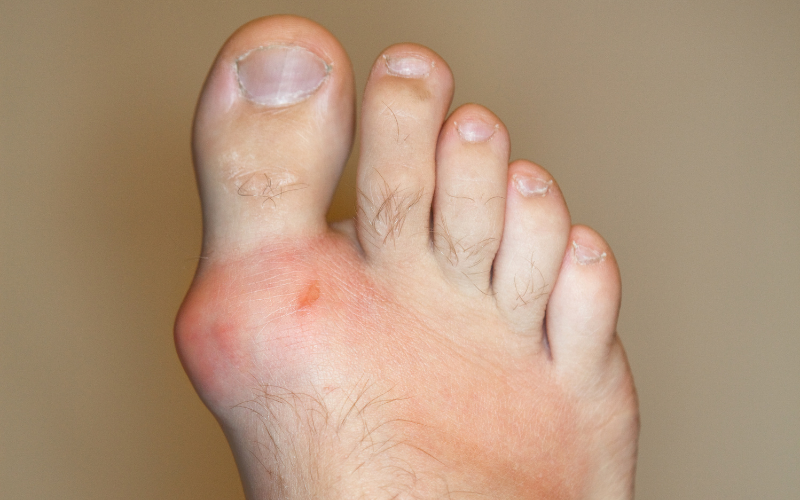
Bunions develop when the joint at the base of the big toe shifts out of alignment, causing the toe to angle towards the others. This misalignment results in a bony protrusion on the side of the foot, which can lead to persistent discomfort. Several indicators help distinguish bunion pain from other foot conditions.
A visible bump on the side of the foot is a clear indication of a bunion. This bump gradually enlarges over time, often becoming red and inflamed. Swelling in this area is usually accompanied by tenderness, particularly when wearing tight footwear. Pain tends to worsen with prolonged standing or walking, making everyday movement increasingly difficult.
Stiffness in the big toe joint is another key symptom. As the condition progresses, bending the toe may become challenging due to joint restriction. Some individuals experience a burning sensation or numbness, which may indicate irritation of nearby nerves. If these symptoms persist, consulting an orthopaedic doctor near you is advisable for early intervention.
Footwear often exacerbates bunion pain. High heels and narrow shoes place additional pressure on the affected area, increasing discomfort. Switching to well-fitted shoes with a wider toe box can alleviate pain. However, in cases where symptoms persist despite footwear adjustments, further bunion treatment may be necessary.
Other Conditions That Mimic Bunion Pain
While bunions are a leading cause of foot discomfort, other medical conditions present with similar symptoms. Distinguishing between these conditions ensures the most appropriate course of action for relief.
Arthritis in the foot, particularly osteoarthritis, can cause pain similar to bunions. Joint degeneration leads to stiffness and swelling, especially in the big toe. Unlike bunions, arthritis-related discomfort is often present in multiple joints and may worsen during rest. Inflammatory arthritis, such as rheumatoid arthritis, can also contribute to swelling and deformities that resemble bunions.
Gout is another condition that can be mistaken for bunions. This form of arthritis occurs when uric acid crystals accumulate in the joint, leading to sudden and severe pain. The big toe is frequently affected, with redness and swelling similar to bunion symptoms. However, gout attacks occur intermittently, whereas bunion pain tends to be more consistent.
Nerve conditions such as Morton’s neuroma can also cause foot pain. This involves the thickening of tissue around a nerve leading to the toes, resulting in a sharp, burning sensation. Unlike bunion-related discomfort, pain from Morton’s neuroma is typically felt between the toes rather than on the side of the foot.
Fractures or stress injuries should also be considered. A hairline fracture in the foot can lead to localised pain and swelling, resembling the symptoms of a bunion. However, fractures typically occur after trauma or repetitive stress rather than gradually developing over time.
When to Consider Bunion Treatment
Identifying bunions early allows for effective management before symptoms worsen. Non-surgical approaches such as custom orthotics, toe spacers, and appropriate footwear can help alleviate discomfort in mild cases. Applying ice packs and taking anti-inflammatory medications may provide temporary relief from swelling and irritation.
If bunion pain persists despite conservative measures, further treatment may be necessary. Looking up “orthopaedic doctor near me” on Google can provide insight into more advanced solutions. In some cases, physical therapy and targeted exercises may help improve toe alignment and reduce discomfort.
For severe bunions that interfere with daily activities, bunion surgery in Singapore may be the most effective option. Surgery aims to realign the toe, remove the bony protrusion, and restore normal foot function. Several surgical techniques are available, ranging from minimally invasive procedures to more extensive realignments. An assessment from a specialist will determine the most suitable approach based on the severity of the condition.
Recovery from bunion surgery in Singapore varies depending on the procedure performed. Patients typically experience improved mobility and pain relief following rehabilitation. Choosing an experienced specialist ensures optimal outcomes and minimises the risk of complications.
Bunion pain can significantly impact mobility and quality of life, but recognising its signs early can help in seeking appropriate treatment. While a visible bump and joint stiffness strongly suggest a bunion, other conditions such as arthritis, gout, and nerve disorders can present with similar symptoms. Distinguishing between these conditions is essential to avoid misdiagnosis and ensure effective relief.
Seeking expert advice from an orthopaedic doctor allows for a thorough assessment and tailored treatment plan. Whether managing the condition with non-surgical methods or considering bunion surgery in Singapore, addressing the issue early can prevent further complications. Understanding the differences between bunions and other conditions ensures the most effective path towards lasting comfort and mobility.
If bunion pain is affecting your daily life, consult a specialist for an accurate diagnosis and the right treatment plan. Learn more about Specialist Orthopaedic Centre today to explore effective solutions for lasting relief.
