
Introduction
Health concerns don’t always unfold in a predictable, step-by-step way. Many people begin their medical journey with a sudden symptom, injury, or unexpected diagnosis that needs immediate attention. Once the initial crisis is addressed, recovery often depends on a broader network of care. Neurological conditions, chronic pain, emotional strain, and day-to-day functional challenges can overlap, which means care may involve multiple providers working toward the same goal.
When patients and families understand how different services fit together, the healthcare system feels less overwhelming. Immediate treatment, specialty care, ongoing primary care, and psychological support are not separate experiences. They work best when they connect. When care is coordinated, people are more likely to see meaningful improvements in health, stability, and quality of life.
The Role Of Immediate Evaluation and Stabilization
Acute symptoms are often the first reason someone seeks medical help. Sudden headaches, injuries, neurological changes, infections, or unexplained pain can create urgency and call for a prompt assessment. Early evaluation focuses on identifying risks, ruling out serious conditions, and stabilizing the patient. That first step matters because timely treatment can reduce complications and improve long-term outcomes.
Walk-in clinics and urgent care centers often serve as practical entry points into the healthcare system. Facilities such as Carolina Urgent Care, which provides urgent care, injury treatment, and evaluation for concerns that need timely attention, can help people get assessed without waiting for a scheduled appointment. These settings may start diagnostic testing, provide treatment, and determine whether specialty care is needed next.
Transitioning From Crisis To Clarity
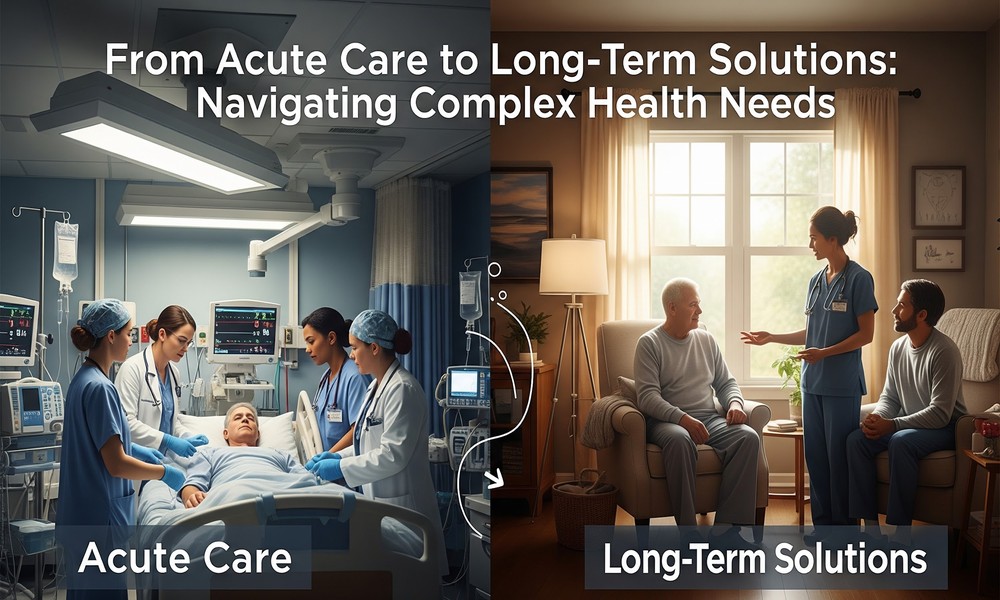
After immediate concerns are addressed, many patients are left wondering what happens next. Symptoms may linger, diagnoses may need confirmation, or treatment plans may require several steps. This transition, from acute care to ongoing management, can shape the recovery path.
Clear communication between providers can reduce confusion in this phase. Sharing medical records, coordinating referrals, and giving specific follow-up instructions help maintain continuity. Patients also benefit from understanding what happened medically and what to expect moving forward. Guidance on symptoms, typical recovery timelines, and warning signs helps people participate more confidently in their care.
Specialty Care for Complex Conditions
Some health issues call for highly specialized expertise, especially when the brain or nervous system is involved. Neurological injuries, tumors, spinal disorders, and nerve-related pain may require advanced imaging, procedural care, or surgical evaluation. Specialists bring focused knowledge that supports, not replaces, general medical care.
For example, neurosurgical professionals such as those at Haynes Neurosurgery, which provides neurosurgical evaluation and treatment from a brain surgeon’s perspective, may be involved when structural or neurological conditions are identified. Their work often includes confirming the diagnosis, determining whether surgery is appropriate, monitoring recovery, and collaborating with other providers to support function and long-term outcomes.
The Foundation Of Primary Care Coordination
While specialists focus on a specific condition, primary care providers often act as the hub for long-term health management. They help monitor chronic conditions, coordinate referrals, manage medications, and track health trends over time. For people with complex needs, that continuity can prevent care from becoming fragmented.
Clinics such as Grand Forks Clinic, which offers primary care services, emphasize long-term relationships between patients and providers. Consistent primary care supports preventive screening, early identification of complications, and treatment adjustments as needs evolve. It also gives patients a reliable point of contact when they are navigating multiple systems and appointments.
The Psychological and Emotional Side Of Recovery
Physical health challenges often come with emotional consequences. Anxiety, depression, trauma responses, and ongoing stress can appear after a medical event, especially when recovery is slow or uncertain. Emotional well-being can influence healing by affecting sleep, immune function, motivation, and follow-through with treatment.
Mental health professionals, including therapists and psychologists at organizations such as Alliance Psychology (alliancepsychologyut.com), can help patients address these emotional layers. Counseling may support processing the experience, managing stress, and building coping strategies that make recovery feel more manageable. When psychological care is integrated into medical treatment, overall outcomes and quality of life often improve.
Interdisciplinary Collaboration and Communication
Complex care works best when providers communicate. When clinicians share findings, align on goals, and coordinate next steps, patients are less likely to receive conflicting guidance or experience avoidable delays.
Coordination can include shared records, case managers, multidisciplinary meetings, or patient navigators. Patients and families can also help by keeping notes, asking questions, and reporting symptom changes early. When everyone is working from the same plan, care feels more cohesive and easier to follow.
Long-Term Recovery and Functional Outcomes
Recovery does not always mean returning to a previous baseline. For many people, it means adapting, learning to manage symptoms, regaining independence, and improving daily functioning over time. Rehabilitation therapies, lifestyle changes, and ongoing monitoring often play a role.
Progress may be gradual, but small gains in mobility, cognition, or emotional balance can make a real difference in everyday life. Long-term care focuses on more than treating disease. It supports participation in work, relationships, and meaningful activities.
Empowering Patients Through Education and Support
Knowledge is one of the most practical tools patients can have. When people understand their condition and treatment options, they are more likely to make informed decisions and adhere to recommended care. Education may include guidance on medication routines, warning signs to monitor, and realistic strategies for day-to-day self-management. During routine wellness checkups and follow-up visits, experienced primary care providers often use these conversations to clarify concerns early and reinforce preventive habits before small problems grow into larger ones.
Clinics such as Grand Forks Clinic frequently emphasize that ongoing primary care visits are not only for illness but also for education-helping patients interpret symptoms, track changes in their health, and understand when to seek additional care. This steady communication allows patients to feel more prepared rather than reactive about their health decisions.
Support systems matter, too. Family members, peer groups, and community resources can ease practical burdens and provide emotional steadiness. When patients feel both informed and supported, confidence grows, and resilience during recovery becomes easier to sustain.
Conclusion
Navigating complex health needs often involves several stages, from immediate evaluation to long-term management. Acute care, specialty intervention, primary care coordination, and psychological support all contribute to recovery. When providers collaborate and information flows smoothly, patients receive clearer guidance and more consistent support.
A coordinated approach recognizes that health includes physical, neurological, and emotional needs. When care is integrated and focused on long-term function, patients can move beyond crisis response toward steadier wellness and a better quality of life.